
WFW advises lenders on US$1bn financing for 45 vessels3 August 2023
Consisting of a 50% term loan and a 50% revolving loan, the credit facility has a final maturity of 30 June 2028.
Consisting of a 50% term loan and a 50% revolving loan, the credit facility has a final maturity of 30 June 2028.

WFW led and negotiated the entire transaction, including finalising the sale and purchase agreement.
Join us for our ‘Sustainability Imperative’ Question Time Breakfast.

The loans acquired pertain to 14 vessels owned by eight different ship owners.

Watson Farley & Williams successfully represented the Società Esercizio Aeroporto Maremma S.p.A. before the Regional Administrative Court of Tuscany.

The restructuring was implemented using two procedures that have been used together for the first time.
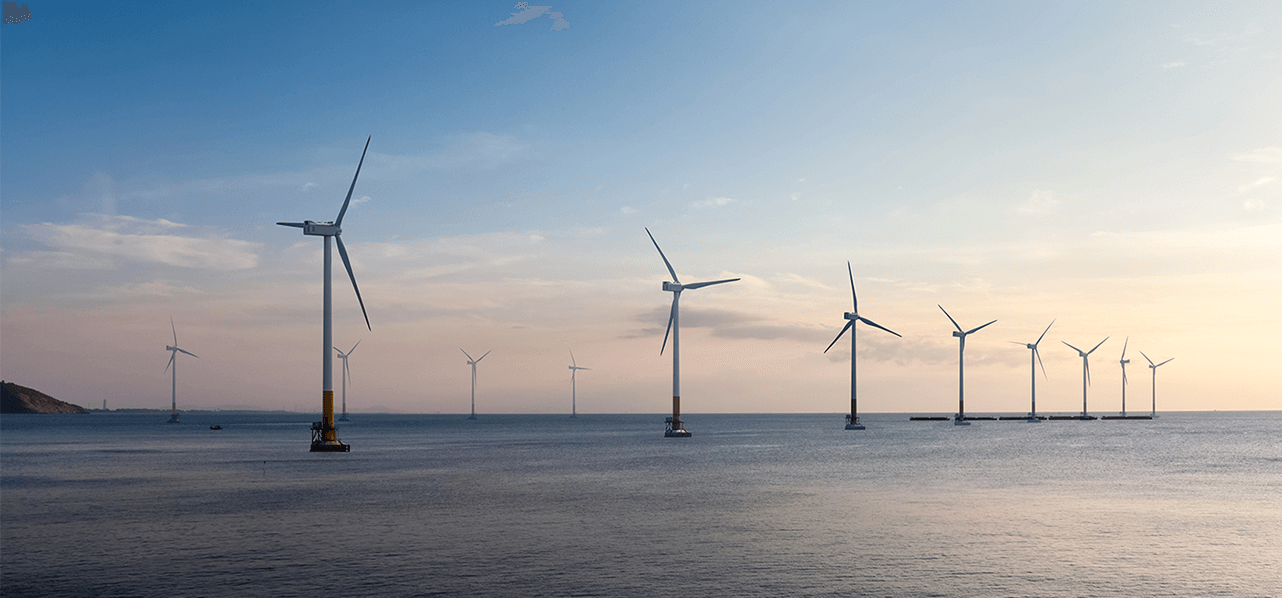
In this article, we consider the announcements made by The Crown Estate as to how it is seeking to de-risk floating offshore wind projects and how positive the news is for investors aiming to commit to this developing technology.

The facility will finance the construction of the Damerjog Oil Jetty, which will provide marine connectivity to the free zone
In this edition of Commercial Disputes Weekly, we discuss decisions on the duty of care of a building designer, a charterer’s obligation to pay for underwater cleaning, interpretation of a notice period and the interplay of a court disclosure order and German data protection laws.

This article discusses what you need to know about the Corporate Transparency Act, effective January 1, 2024.

Paul specialises in energy and infrastructure financing transactions in the emerging markets space.
Amelia has expertise in both maritime and asset and structured finance law as well as in the energy and offshore sectors.