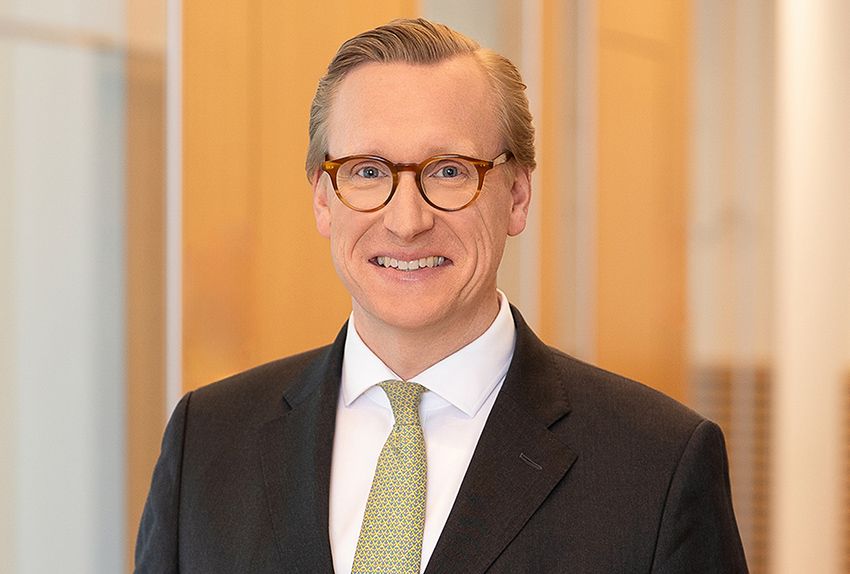
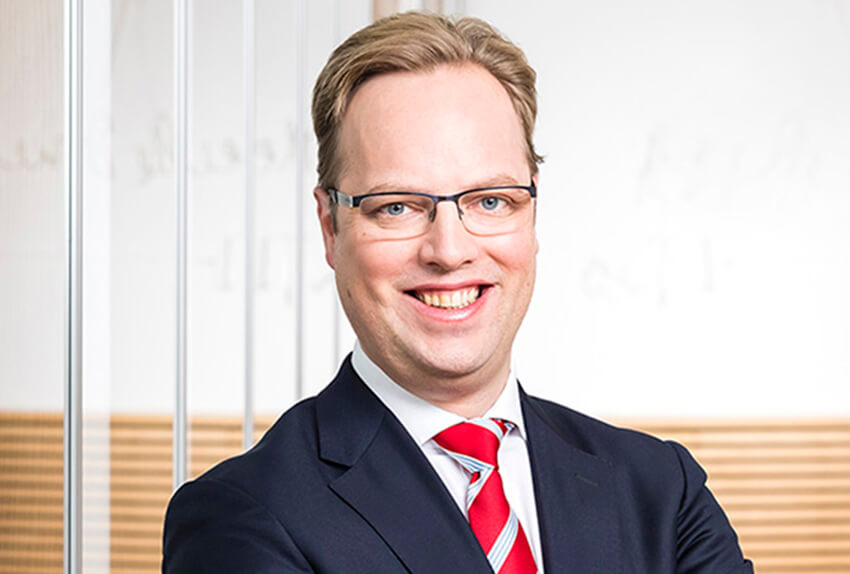
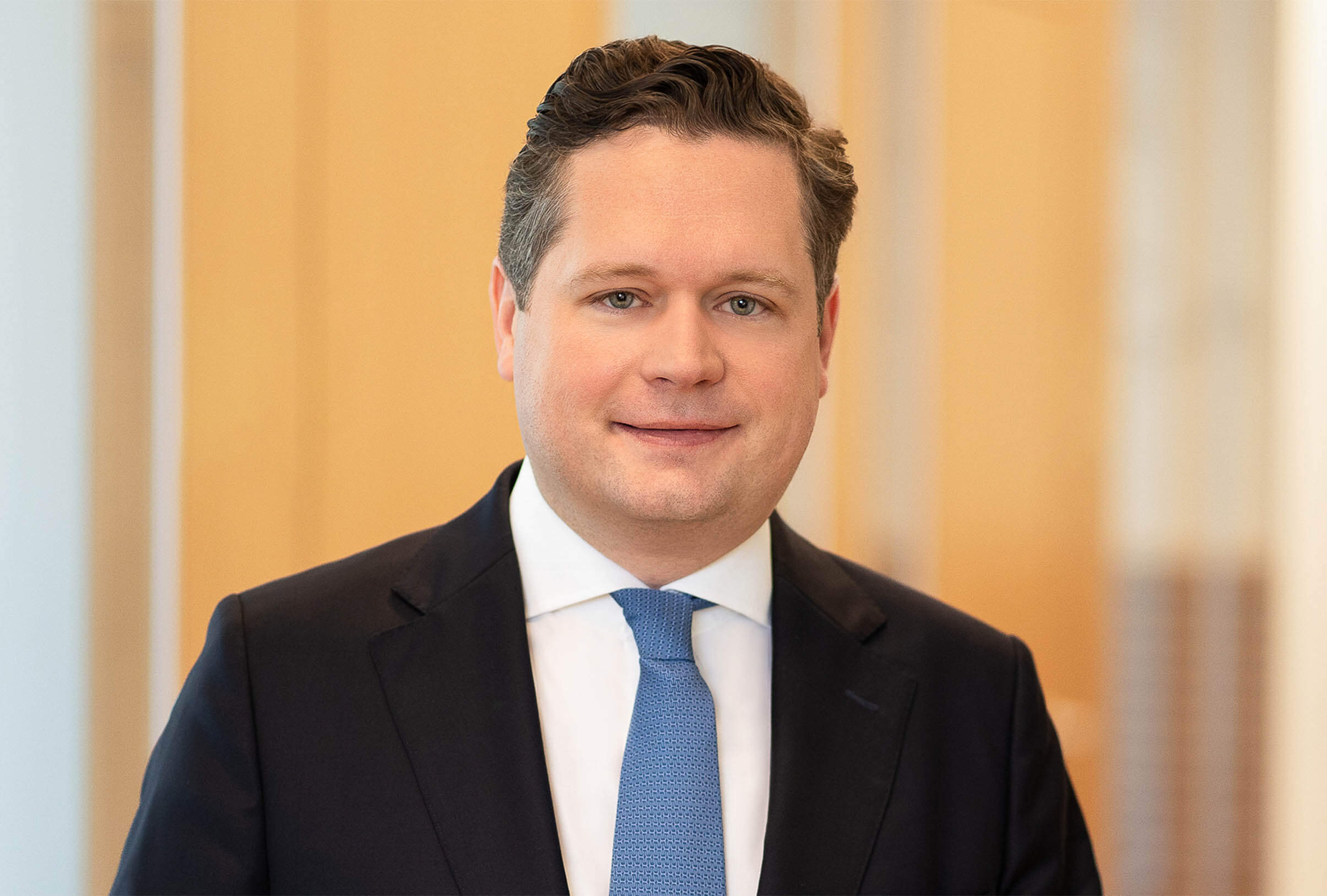
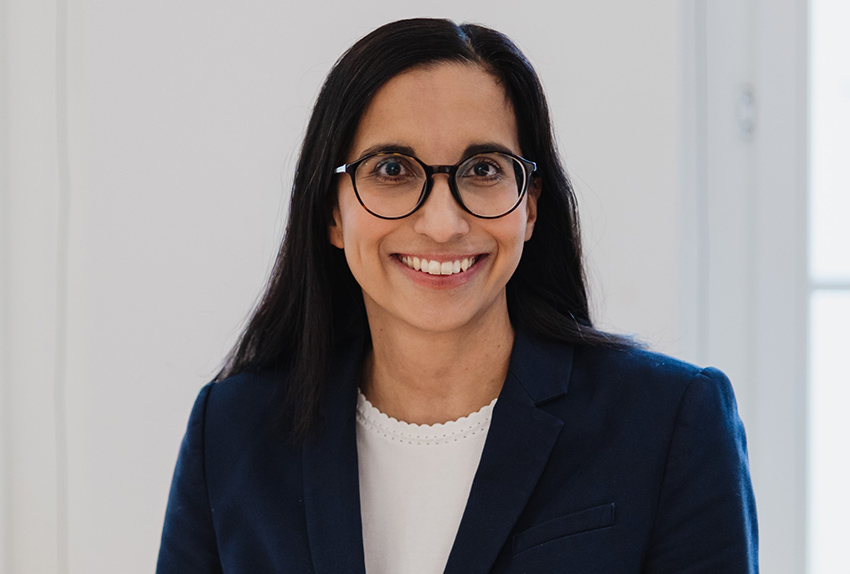
We were pleased to welcome guests to our annual Maritime Morning held in Hamburg. Led by Dr Christian Finnern, the event focussed on current legal and commercial developments in the maritime sector and brought together industry experts and market participants for an insightful exchange of views.
The programme featured a series of expert-led sessions covering key legal and regulatory developments, including a discussion on geopolitical crises and the lessons learnt over recent years, insights into digital infrastructure and sovereignty in the maritime industry, as well as a tax update relevant to maritime businesses.
The event concluded with a lively and thought-provoking panel discussion featuring Isabelle Rickmers (Founder & CEO, TURTLE), Dr Christopher Eilers (Board Member, Ernst Russ AG), Christian Reincke (CEO, Sloman Neptun) and Christian Rychly (Managing Director Shipping, MPC Capital), who provided valuable external perspectives on the current challenges and opportunities facing the sector.
Below are some of the key insights from this event.
Geopolitical crises from a legal perspective – an overview of recurring themes and lessons learnt over the past six years
Key takeaways:
- the maritime sector has been heavily shaped by Covid‑19, the Russia‑Ukraine war and recent tensions in the Middle East. These events have triggered major supply chain disruptions, rising freight and insurance costs, as well as shifting trade routes with longer distances and reduced effective capacity. Energy price shocks and inflation continue to directly impact shipping markets and operational planning;
- companies increasingly face delayed deliveries, cost increases and renegotiation pressure. Legal concepts such as force majeure and hardship are becoming more relevant, yet difficult to apply in practice due to challenges around foreseeability, risk allocation and balancing the interests of both parties; and
- the need for clear contractual frameworks, including pricing, delay and risk allocation clauses is critical. Businesses should proactively address foreseeable risks, enhance documentation and internal awareness, and reassess standard contracts to build greater resilience and flexibility in an increasingly uncertain environment.
Digital infrastructure and sovereignty in the maritime sector
Christian Schindler and Rebecca Trampe-Berger
Key takeaways:
- digitalisation is not merely an IT task but a matter of governance and management. Maritime companies are legally required to implement structured risk management, clear responsibilities and documented processes. Digitalisation should therefore be managed strategically, with cybersecurity integrated at an early stage into organisational structures, contractual arrangements and decision-making processes.
Taxation of the maritime sector – an update
Manuel Rustler and Dr Alexander Brune
Key takeaways:
- as of 1 January 2026, the allocation of taxing rights for seafarers working on the high seas is no longer primarily determined by the vessel’s flag, but by the applicable double taxation agreement (“DTA”). As a result, the qualification under DTAs, payroll tax treatment and documentation requirements – particularly in multi-jurisdictional cases – have gained increased importance;
- recent German Federal Fiscal Court (“BFH”) case law has further clarified the scope of tonnage taxation: for the purposes of Section 5a EStG, the BFH requires vessel management activities to be conducted almost exclusively within Germany. At the same time, it confirmed that the trade tax reduction under Section 9 no. 3 GewStG also applies to voyage charter and slot charter arrangements; and
- regarding offshore vessels, a potential extension of the tonnage tax regime is under discussion; however, a concrete legal framework has not yet been established. The proposed measure could reduce existing competitive disadvantages for German operators but remains subject to implementation.
For more details, see the article ‘Substance at sea: an update on evolving concepts in German maritime taxation‘.
If you want to discuss the insights above, or our work in the maritime sector more generally, please reach out to one of our partners via our website.